As June arrives, the annual plum rain season brings prolonged periods of high humidity and frequent temperature fluctuations. These conditions significantly increase the risk of moisture condensation, posing a serious corrosion threat to silicon steel laminations. Once oxidation occurs, it can damage the insulation coating, alter the material’s magnetic properties, and ultimately affect the performance of transformers, motors, and other electrical equipment. Therefore, comprehensive anti-corrosion protection throughout the entire production, packaging, transportation, storage, and application process is essential.
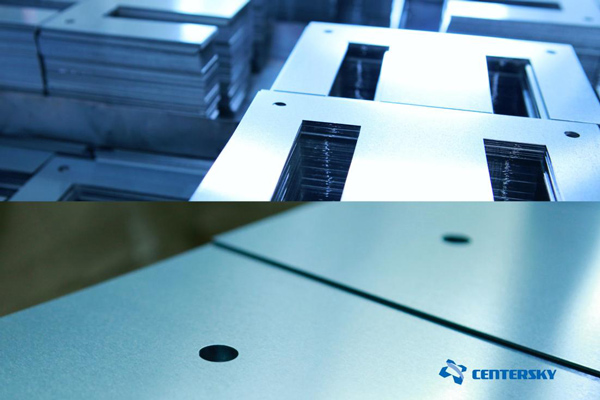
Production Stage: Environmental Control as the First Line of Defense
During the plum rain season, humidity control is critical. Metal materials become increasingly susceptible to corrosion when relative humidity exceeds 65%. Production workshops, especially areas used for storing semi-finished laminations, should be equipped with dehumidifiers or air-conditioning systems to maintain relative humidity below 60%.
Doors and windows should remain closed whenever possible to prevent warm, humid air from entering the workshop and condensing on the cooler surface of silicon steel laminations. If intermediate storage between production processes exceeds four hours, a temporary rust preventive treatment is recommended to minimize moisture absorption. In addition, laminations should be stored on elevated pallets rather than directly on the floor to reduce exposure to ground moisture.
Packaging Stage: Effective Moisture Isolation for Extended Protection
Finished laminations should be packaged as soon as possible, avoiding overnight exposure whenever practical. The packaging area should maintain a relative humidity below 50% to minimize moisture ingress during the packaging process.
Before packaging, ensure that the laminations are clean, dry, and free from oil residues, grinding particles, and surface moisture. An additional drying process may be employed, allowing products to remain in a controlled dry room for 8–24 hours before packaging.
For standard storage and transportation, sealed packaging using moisture-resistant plastic film or anti-rust paper is recommended, supplemented with silica gel or desiccants to absorb residual moisture. For long-term preservation, Vapor Corrosion Inhibitor (VCI) packaging solutions can provide effective protection for up to three years when properly applied. To maximize effectiveness, the distance between the VCI material and the silicon steel laminations should not exceed 30 cm; additional VCI materials should be added when larger packaging volumes are involved.
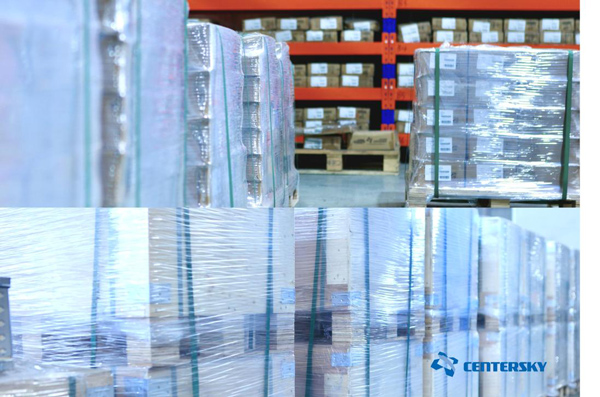
Transportation and Storage: Minimizing Moisture and Temperature Variations
During transportation, products should never be stored in open environments. Vehicles and containers must be properly sealed against water intrusion, and sufficient container desiccants should be used according to the shipment duration to absorb condensation.
For storage, avoid low-lying areas, wall corners, and other locations prone to dampness. Warehouses should be well ventilated and dry, with regular humidity monitoring to maintain relative humidity below 70%. Temperature fluctuations should ideally be limited to within 7°C to prevent condensation caused by rapid cooling.
For long-term storage, packaging integrity should be inspected periodically, with particular attention paid to edges and corners where moisture accumulation is more likely. Any damaged packaging should be replaced immediately to restore corrosion protection.
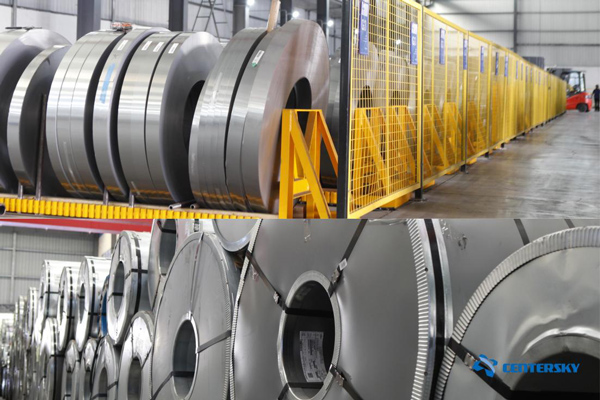
Application Stage: Protecting Exposed Cut Edges
After slitting or punching operations, exposed cut edges lose the protection provided by the original insulation coating and become more vulnerable to corrosion, especially during periods of high humidity. Therefore, processed laminations should be used as soon as possible.
Unused materials should be coated with a suitable rust preventive oil and resealed promptly. Any moisture introduced during processing should be removed immediately through drying and cleaning procedures to prevent corrosion from developing on exposed surfaces.
Conclusion
Effective corrosion prevention during the plum rain season is based on three key principles: humidity control, moisture isolation, and timely protection. By implementing these measures throughout the entire lifecycle—from production and packaging to transportation, storage, and application—manufacturers can significantly reduce corrosion risks and ensure the long-term performance and reliability of silicon steel laminations.